23 November 2026 • edit-table diaries
Logistics Video Production in Bangladesh: Films That Move Trust
চা নিয়ে বসুন — ৪ মিনিটের পড়া ☕
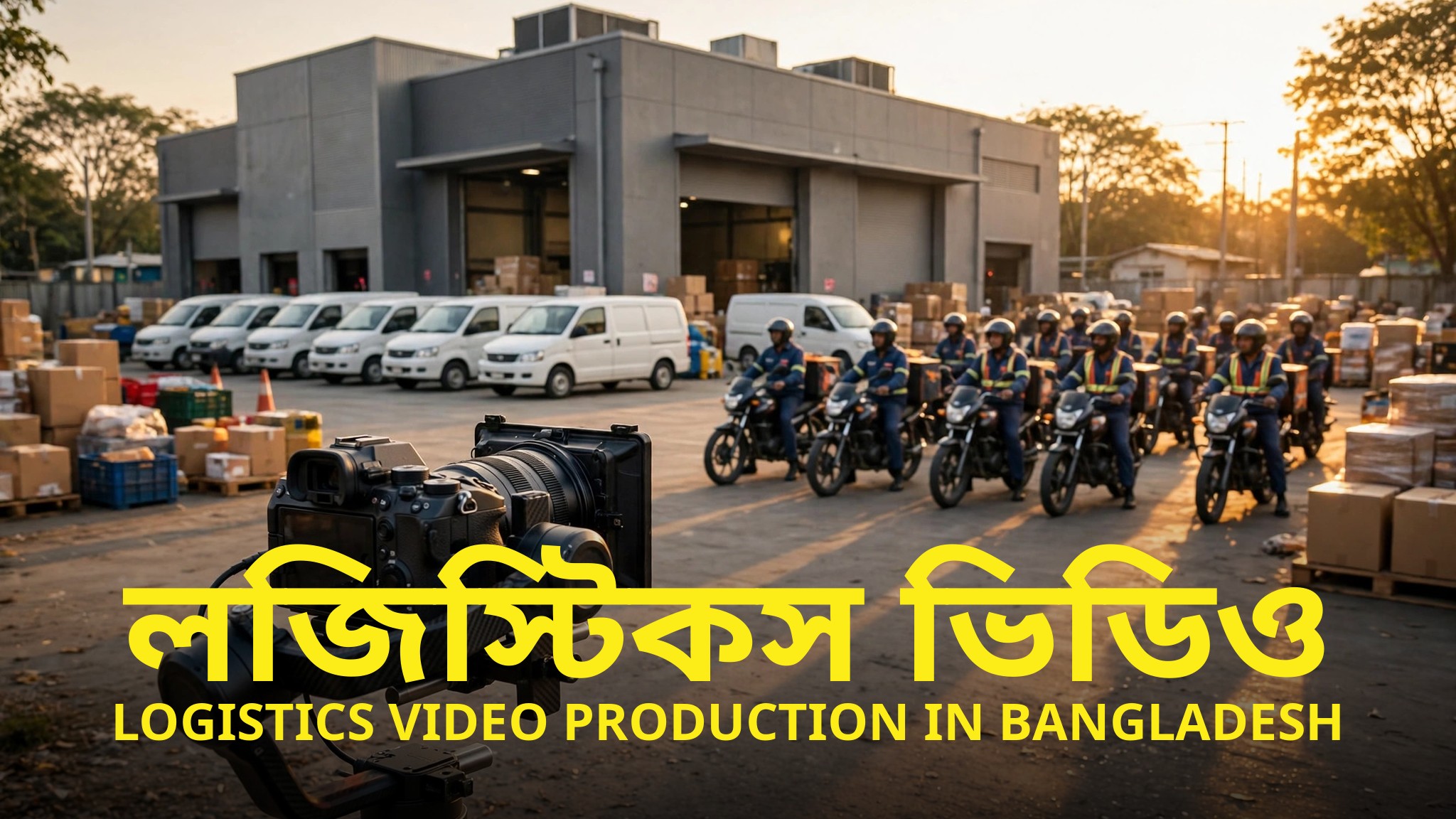
A parcel that arrives on time is invisible. A parcel that arrives late is a story everyone tells. That is the whole problem of logistics video production in Bangladesh: the product is a promise — your parcel, your order, your shipment will get there, on time, intact — and a promise is the hardest thing in the world to film. A logistics company cannot show its customers a product on a shelf. It can only show them the system behind the promise: the warehouse at 5 a.m., the rider who knows a lane by heart, the truck that leaves on schedule whether it is raining or not. In a market where every courier competes on the same few words — fast, safe, reliable — the companies that win customers are the ones whose films prove those words instead of just repeating them.
The formats that move a promise
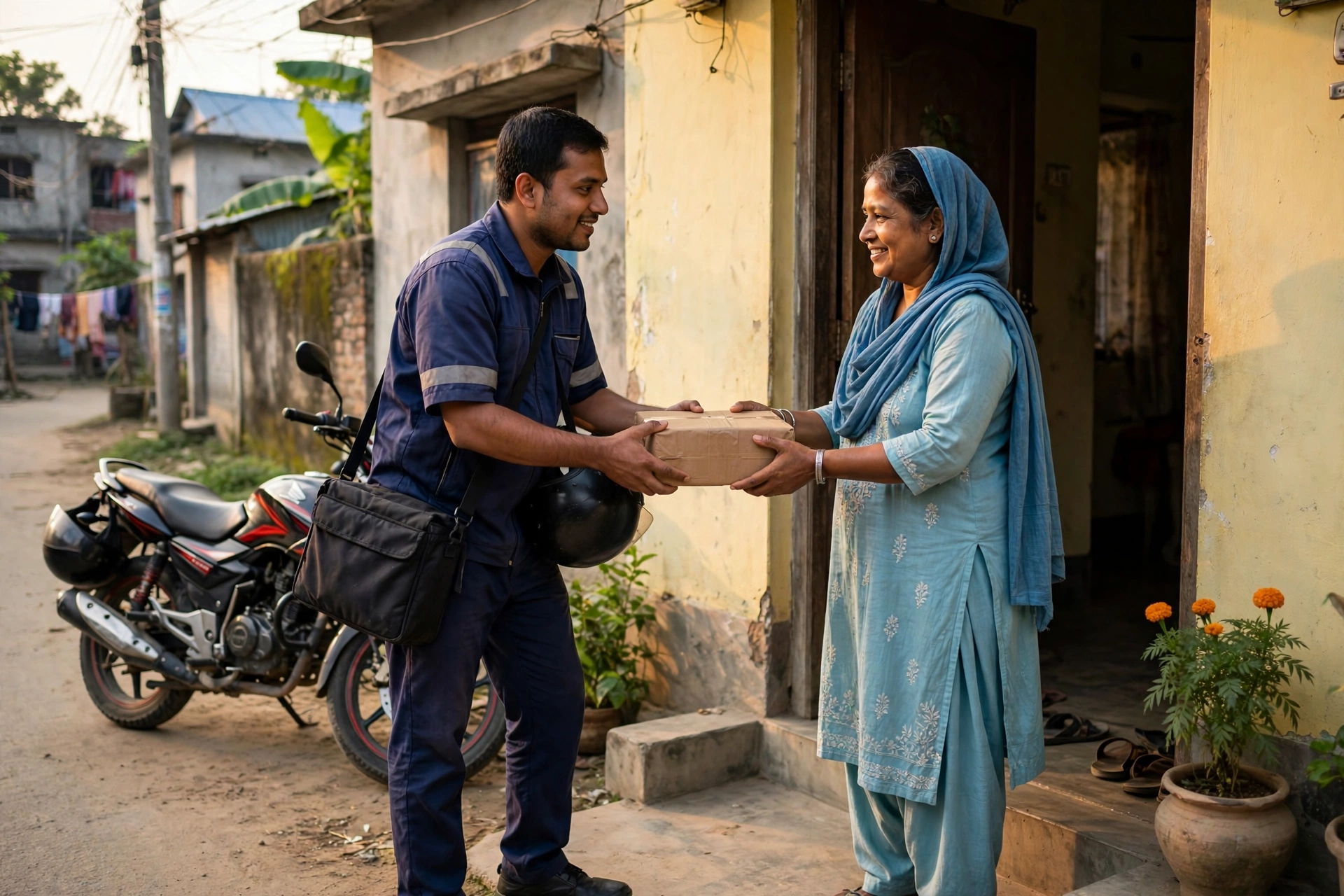
The brand film. The flagship asset: a 60–90 second film built around one journey — a parcel picked up in Dhaka in the morning, sorted, loaded, carried across a river and a highway, and handed over in a district town by evening. This is the film that runs on television, on Facebook, and on the company's own website, and it is the film a new customer watches before trusting a company with something valuable.
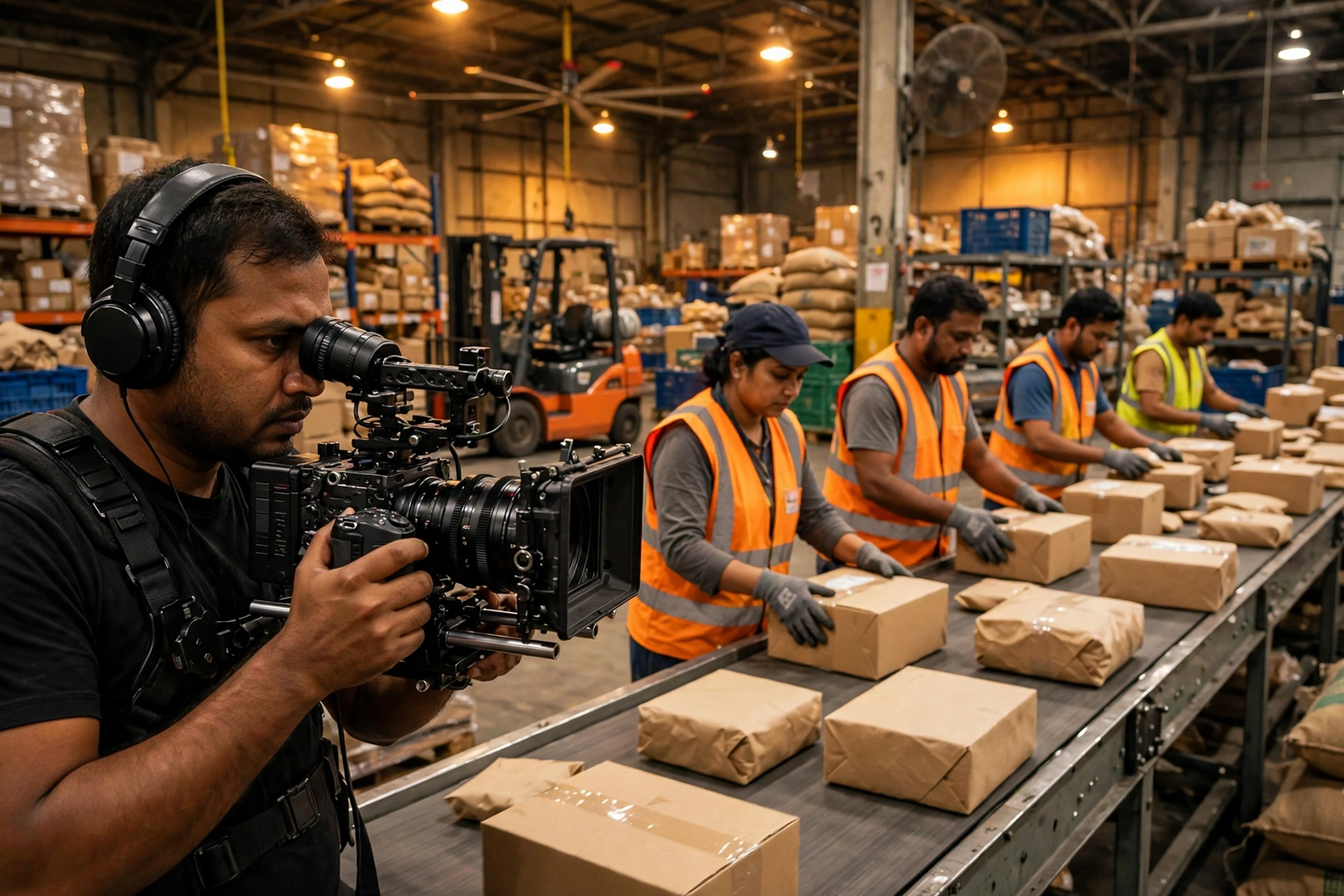
The warehouse and operations film. A longer, quieter film for business customers: the sorting line, the scanning, the racking, the dispatch board, the cold room or the secure cage. An e-commerce seller or an exporter choosing a logistics partner does not decide on a slogan; they decide on whether the operation looks organised. Show the operation, in order, without hiding the hard parts.
The driver and rider recruitment film. Logistics in Bangladesh runs on people — riders, drivers, sorters, hub managers — and those people are recruited by video: films that show what a day actually looks like, how the pay and the routes work, and what a good rider earns. A good recruitment film fills a hub's roster for a season.
The customer explainer video. Animation-led or presenter-led explainers that do what no leaflet can: show, in two minutes and in plain Bangla, how to book a delivery, how tracking works, what cash on delivery means, and how a return is collected. Confusion is the main reason a first-time customer never books a second delivery — and the explainer is where that confusion gets removed.
The B2B sales film. A short film made for one meeting: a logistics company walking into an e-commerce platform, a garment exporter, or a pharmaceutical distributor with proof — the network, the hubs, the fleet, the people — instead of a slide deck full of claims.
The craft specifics
- Film the real operation, not a set. A warehouse film shot in an empty hall with two actors in new uniforms convinces nobody. Shoot during a real shift, with the real staff, in the real noise — and plan the shoot so it never stops the work. The crew works around the operation; the operation does not stop for the crew.
- Safety is part of pre-production. Forklifts, loading docks, moving trucks, racking aisles — a logistics site is a working industrial space. Every shot needs the site manager's sign-off, every crew member needs a hi-vis vest and a briefing, and no camera ever stands where a vehicle is about to move. Get the safety plan agreed before the shoot, not on the day.
- Plain Bangla first, jargon never. "Last-mile", "hub-and-spoke", "SLA" — these words mean nothing to a shopkeeper in Barishal booking their first delivery. Every script must pass the test: would that shopkeeper understand it on first hearing? If not, rewrite it. Subtitles in Bangla and English are not optional — most viewers watch on mute.
- Show the route, not just the building. A logistics company is a network, not a warehouse. Film the journey between the points: the highway at dawn, the river crossing, the district road, the final lane. A customer in another district needs to see their own town in the film — that is what tells them "this company comes here".
- Real riders, not models. A rider film lives or dies on whether the viewer believes the person on the bike. Cast real riders and drivers (with consent), in their own uniforms, on their own routes — not models from a Dhaka studio. Their own words about a difficult delivery beat any scripted line.
- Night and weather are the story. Anyone can film a sunny warehouse. The trust is built by filming the shift that runs at 2 a.m., the dispatch that goes out in the rain, the delivery that still arrives during a hartal-week backlog. Plan for those shoots — they are the ones customers remember.
Common mistakes
- A film that only repeats "fast" and "reliable" without showing a single real parcel, real rider, or real route
- Filming an empty warehouse and calling it an operation
- Stopping the sorting line for the camera — and losing the trust of the very staff the film needs
- Using the same 60-second TVC for Facebook, where the first three seconds decide everything
- Explainer videos written by the operations team — accurate, and unwatchable
- Promising a delivery time in the film that the network cannot actually keep
The trust test
Before the next campaign: can a customer in another district watch your film and answer three questions — where is my parcel right now, how fast will it actually arrive, and why should I trust this company with it? One shoot, planned around a real parcel, real riders, and the real route it travels, can produce the brand film, the operations film, the explainer, and the recruitment film — the difference is just planning.
For the budget side — what drives the price of a production like this — see our video production cost guide. For the brief a production house needs before quoting, see our brief-template guide on the blog. For how e-commerce brands use video to sell, see our e-commerce video guide on the blog.
ভালো লাগলে share করুন — monkey খুশি হবে 🍌
Work with us